About us

This is Echandia

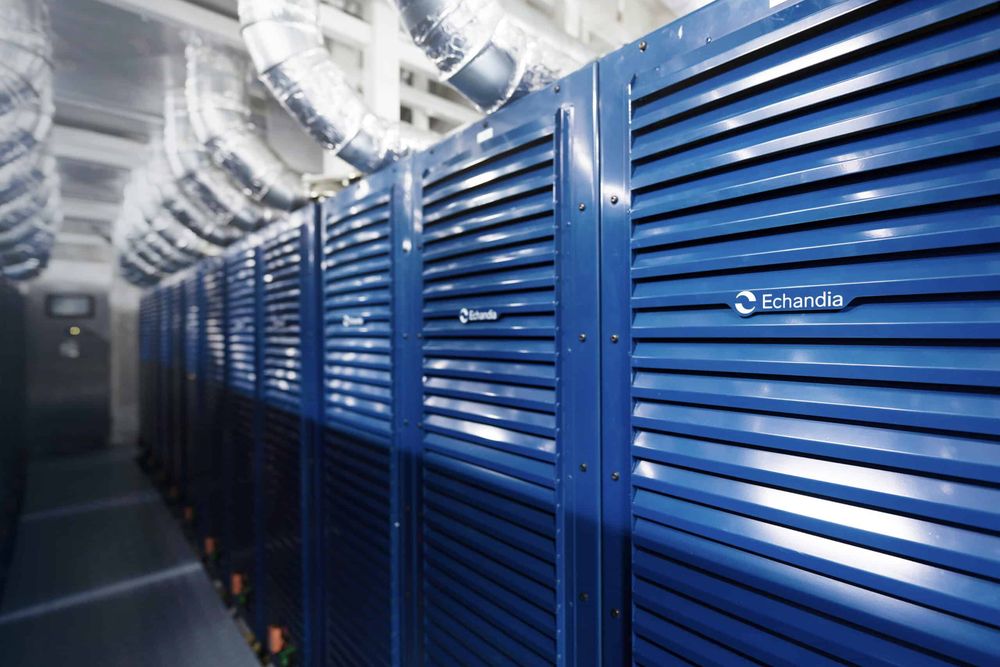
Echandia is a leading supplier of advanced maritime battery systems, delivering safe and resilient energy solutions for demanding vessel operations. Designed in Scandinavia and built on proven LTO technology, our systems offer fast charging, smooth zero-emission performance, and long service life in demanding marine environments. 

With a compact footprint, high reliability, and minimal degradation over time, Echandia battery systems are trusted by shipbuilders and operators worldwide. By reducing fuel consumption and lowering operating costs, our solutions support both sustainable shipping and long-term economic efficiency, helping accelerate the maritime industry’s transition toward zero-emission operations. 

Echandia in numbers

0+

Employees

0

Offices globally

0+

Systems sold

0+

Tonnes CO2 prevented

Our local presence

Wherever you operate, we’re close by, through our global team and local presence. Don’t hesitate to contact us here.

Recent news

All News

January 22, 2026

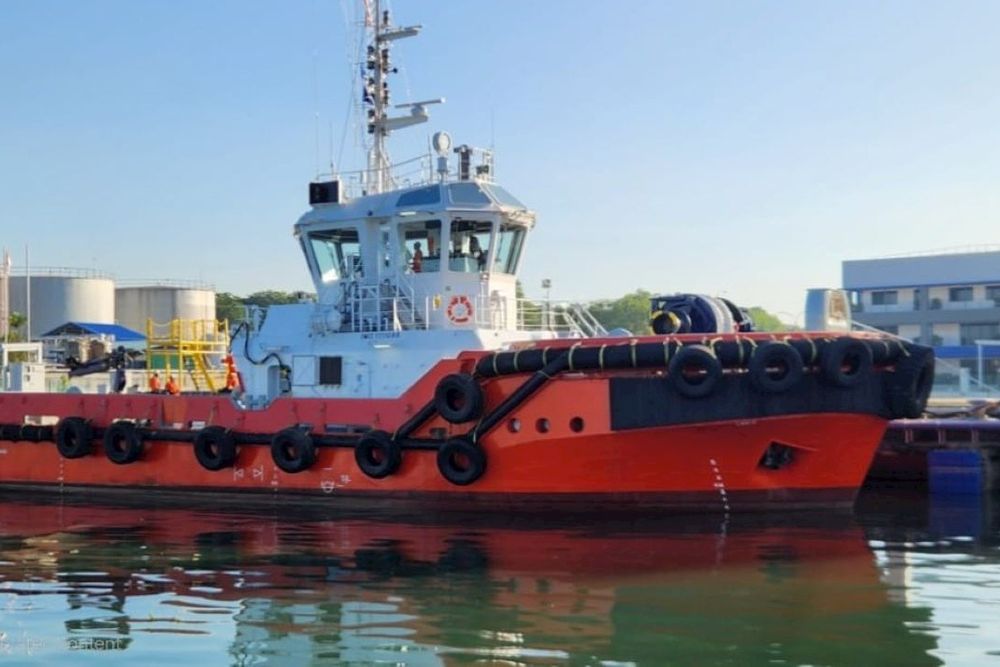
Echandia delivers battery system for tugboat in Singapore

Echandia, a leading provider of safe maritime battery systems, will supply a battery system for a tugboat operating in Singapore’s harbor. The battery system will have a lifespan of at least 25 years and is part of Singapore’s ambitious plan to electrify its harbor craft fleet by 2030.
January 13, 2026

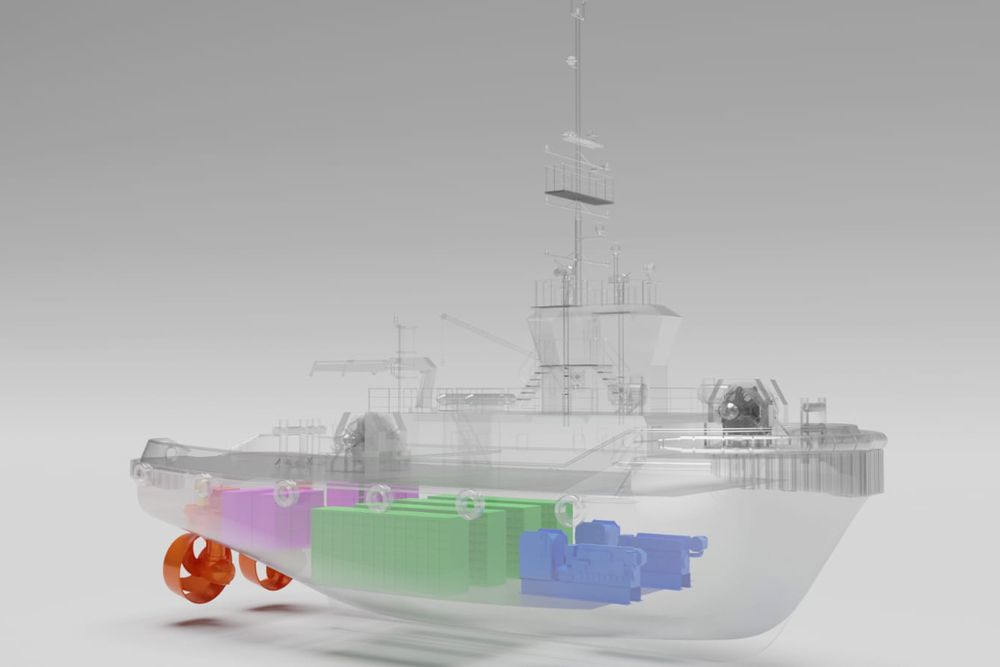
Echandia to deliver battery system for India’s first fully electric tugboat at Kandla Port

Echandia has been selected to supply the battery system for India’s first fully electric tug, to be deployed at Deendayal Port Authority (Kandla Port) as part of the Government of India’s Green Tug Transition Program. The vessel will be equipped with a 4.4 MWh Echandia battery system, enabling zero-emission operation at one of India’s most important port hubs

November 13, 2025

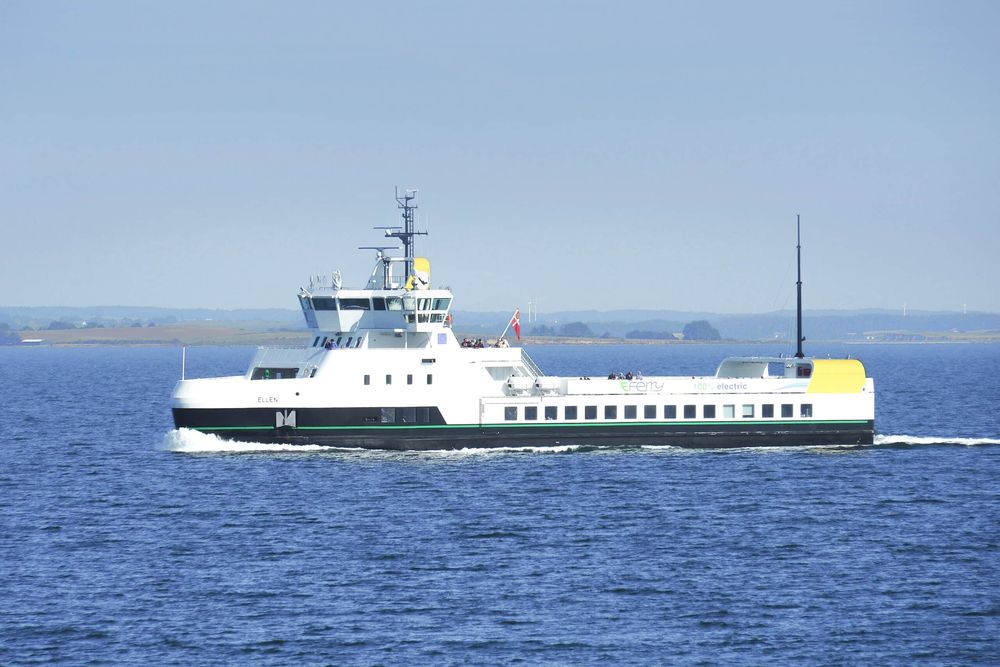
Echandia selected to supply new battery system for Ellen.

Echandia has been selected to deliver a new battery system for E/F Ellen, operated by Ærøfærgerne in Denmark. Echandia will supply a 3.2 MWh LTO battery system to replace the previous 4.3 MWh NMC system. The new system is designed for a 15-year lifetime and features multiple daily fast-charging cycles at high efficiency.

November 12, 2025

Echandia Wins Breakthrough Contract for Canadian Coast Guard Icebreaker

Echandia, the leading Swedish supplier of advanced maritime battery systems, has secured an order from ABB to supply a battery system for a new hybrid icebreaker vessel for the Canadian Coast Guard to be built at Helsinki Shipyard. The contract marks Echandia’s first entry into the Canadian market and strengthens the company’s global footprint in sustainable maritime propulsion.

Frequently asked questions

What kind of vessels can be electrified?

Most vessels can be electrified, either fully or partially. Conditions like availability of charging infrastructure, route length, available charging time, and maximum weight requirements can impact to what degree a vessel can be electrified. Many larger ships install batteries to become more energy efficient or handle peak loads.

How fast can a maritime battery be charged?

How fast a battery can charge and discharge energy is called C-rate. High C-rates means faster charging. C-rates are closely related to the batteries underlying chemistry and other system components. So it depends on how much power is available and which chemistry is used. LTO can be charged much faster as a battery chemistry compared to its competitors.

How big is a maritime battery system?

They can be huge, but it depends. Size is limited by how much the vessel can carry and still safely operate in relation to the power it needs. That means, that the ultimate size and weight is determined by the energy requirement for the given application, and its access to charging infrastructure. In maritime, the smaller the system, the better.

How much does a marine battery system weigh?

Comparing weight per kWh between different systems will be misleading. Systems that require less buffer energy to meet the energy requirements over the lifetime, will be lighter on system level, even though they might be heavier when compared on a kWh-basis. To know the exact weight for the system, the operational profile needs to be understood.

What is the expected lifetime of a marine battery system?

The lifetime of a battery, or its cycle life, is mostly dependent on the underlying battery chemistry. It is also dependent on how the battery is being used over the planned lifetime. The level of usage, or DoD (depth of discharge) is an important variable when designing a system that will be in use for a long time. LTO batteries can guarantee a lifetime of 15+ years which is considerably longer than any competing battery chemistry.

How much does a marine battery system cost?

It depends. To calculate a system price, a number of factors needs to be known. This is what we call the operational profile. The cost per kWh can be misleading since the system size (number of kWh) can sometimes be substantially less than what is recognized at first analysis.

Are maritime batteries safe?

Safety is a huge issue for batteries in general, and for maritime batteries especially. A safe battery system requires several layers of system characteristics and measurements. The cell chemistry that is used in the battery is fundamental. On top of that, all systems need monitoring and prevention methods, as well as suppression systems, gas vents, sprinklers etc.

Want to know more?

Our team has worked with leading shipyards and system integrators, from ABB to Siemens, to electrify ferries, tugs, navy and transport vessels. We know what it takes to build a safe, durable system that performs every day.